Testosterone Injection UK – Medical Uses, Testosterone Replacement Therapy, Safety Information & UK Regulatory Update | Vision Pharma
Testosterone Injection – UK Pharmaceutical and Medical Information
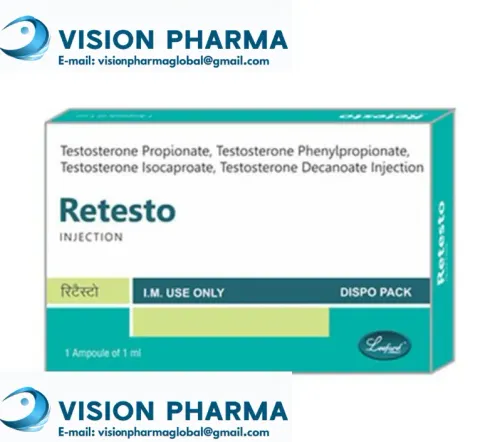
Testosterone injection is a prescription hormone medicine containing testosterone or a testosterone ester. It is used in medically diagnosed testosterone deficiency (male hypogonadism), where testosterone replacement therapy is clinically appropriate.
Testosterone injections are available in different formulations, strengths and pharmaceutical presentations. Their composition, duration of action, approved indications and administration requirements depend on the specific product.
Generic Name and Medicine Identity
Generic Name: Testosterone
Active Ingredient: Testosterone or a testosterone ester, depending on the formulation.
Common injectable formulations include:
* Testosterone Undecanoate
* Testosterone Enanthate
* Testosterone Propionate
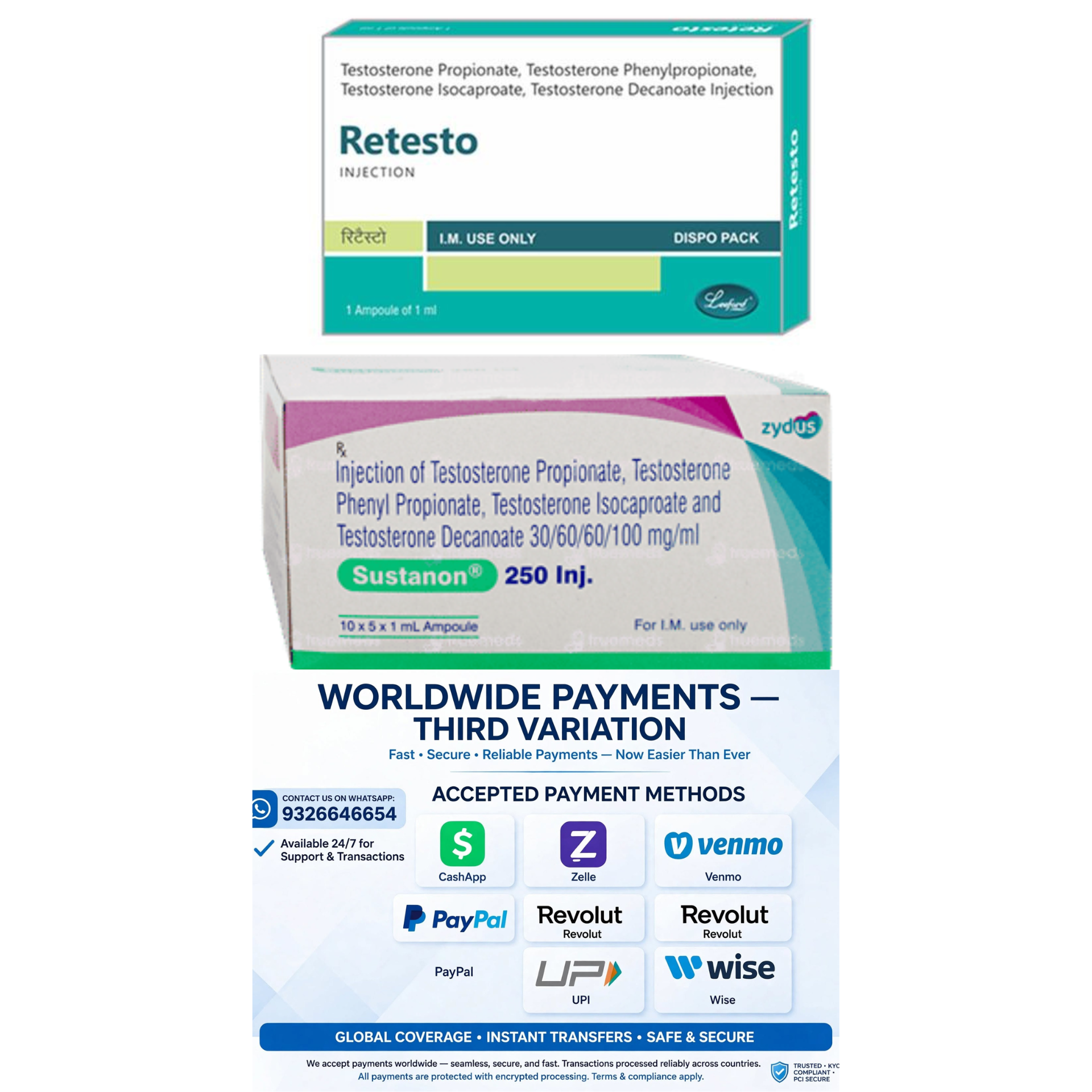
* Testosterone Mixture (including Sustanon-type formulations)
Dosage Form: Solution for injection.
Route of Administration: Depends on the specific formulation and authorised product information, commonly intramuscular injection.
UK-Recognised Testosterone Injection Products
The UK electronic Medicines Compendium (eMC) lists several testosterone injection formulations.
Examples include:
* Nebido 1000mg/4ml – Testosterone Undecanoate.
* Sustanon 250mg/ml – Combination of testosterone esters.
* Testosterone Enantate 250mg/ml – Testosterone Enanthate.
These formulations are not interchangeable. Their individual product information must be consulted before prescribing or administration.
Official medical references:
Established Medical Uses and Therapeutic Purpose
Testosterone replacement therapy is primarily indicated for adult men with hypogonadism resulting from confirmed testosterone deficiency.
Clinical features associated with testosterone deficiency may include:
* Reduced libido.
* Erectile dysfunction.
* Persistent fatigue.
* Reduced muscle mass.
* Decreased bone mineral density.
* Reduced development or maintenance of male secondary sexual characteristics.
Diagnosis requires appropriate clinical assessment and biochemical confirmation. Testosterone treatment should not be prescribed solely on the basis of age-related symptoms or a single low testosterone measurement.
Testosterone replacement therapy is not an established treatment for general bodybuilding, athletic performance enhancement or muscle development in healthy individuals.
Pharmacological Characteristics
Testosterone is the principal endogenous androgen hormone responsible for the development and maintenance of male reproductive tissues and secondary sexual characteristics.
Its physiological activities include:
* Regulation of male reproductive functions.
* Support of normal muscle and bone development.
* Contribution to red blood cell production.
* Influence on libido and sexual function.
* Regulation of androgen-dependent physiological processes.
Injectable testosterone esters are converted into active testosterone following administration. Different esters have different absorption and release characteristics.
ATC Classification: G03BA – Androgens, 3-oxoandrosten derivatives.
UK Prescription and Controlled Drug Classification
Testosterone is classified as a Class C controlled drug under the Misuse of Drugs Act 1971 and Schedule 4 Part II under the Misuse of Drugs Regulations 2001.
Testosterone injection products authorised for medicinal use are prescription-only medicines (POM).
Important UK regulatory distinctions:
* Supply and distribution must comply with applicable prescription and controlled-drug legislation.
* Possession of Schedule 4 Part II anabolic steroids for personal use is treated differently from possession of drugs in other controlled-drug schedules.
* Supplying or possessing testosterone with intent to supply unlawfully can constitute a criminal offence.
* Commercial importation and exportation are subject to applicable controlled-drug licensing requirements.
* The personal-use exemption for Schedule 4 Part II substances does not authorise commercial distribution or unaccompanied imports intended for supply.
Official references:
UK Importation and Pharmaceutical Supply Restrictions
Commercial importation of testosterone preparations into the UK must comply with applicable Home Office controlled-drug licensing requirements.
Businesses involved in international pharmaceutical trade should establish:
* Appropriate domestic controlled-drug licensing where required.
* Valid import or export licences for applicable shipments.
* Compliance with MHRA medicines licensing requirements.
* Appropriate wholesale distribution authorisation where applicable.
* Compliance with destination-country pharmaceutical regulations.
The Home Office states that controlled-drug import and export licences are required for companies or o
Keywords