Thank you for writing to us. One of our executive will reach back to you through your submitted medium. In case there’s an urgency, feel free to connect over WhatsApp for faster response.
Prefer calling? Dial +918042783904 (International callers) or 08042783904 (Indian callers).
Email:** [visionpharmaglobal@gmail.com](mailto:visionpharmaglobal@gmail.com)
**Phone:** +91 9326646654
- United States: New York, Los Angeles, Houston, Chicago, and Miami.
- United Kingdom: London, Birmingham, Manchester, Glasgow, and Liverpool.
- Australia: Sydney, Melbourne, Brisbane, Perth, and Adelaide.
- United Arab Emirates: Dubai, Abu Dhabi, Sharjah, and Ajman.
- South Africa: Johannesburg, Cape Town, Durban, and Pretoria.
- Singapore: Singapore City and major pharmaceutical distribution zones.
- Philippines: Manila, Quezon City, Cebu City, and Davao City.
- Kenya: Nairobi, Mombasa, and Kisumu.
- Nigeria: Lagos, Abuja, Port Harcourt, and Ibadan.
- Other approved markets across Asia, Africa, the Middle East, Europe, and Latin America.
United States:** New York, Los Angeles, Chicago, Houston, and Miami.
- **United Kingdom:** London, Birmingham, Manchester, Glasgow, and Liverpool.
- **Canada:** Toronto, Vancouver, Montreal, Calgary, and Ottawa.
- **Australia:** Sydney, Melbourne, Brisbane, Perth, and Adelaide.
- **South Africa:** Johannesburg, Cape Town, Durban, Pretoria, and Port Elizabeth.
- **United Arab Emirates:** Dubai, Abu Dhabi, Sharjah, and Ajman.
- **Singapore:** Singapore.
- **New Zealand:** Auckland, Wellington, Christchurch, and Hamilton.
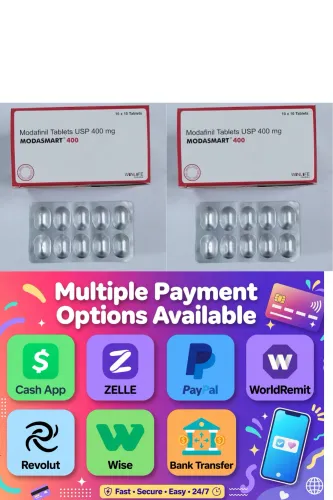
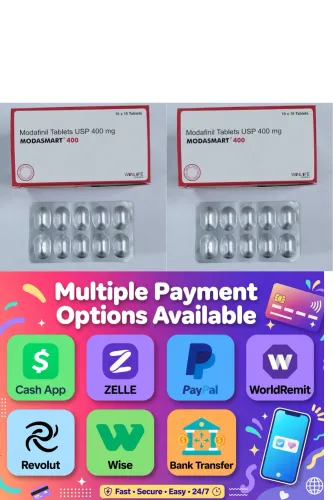
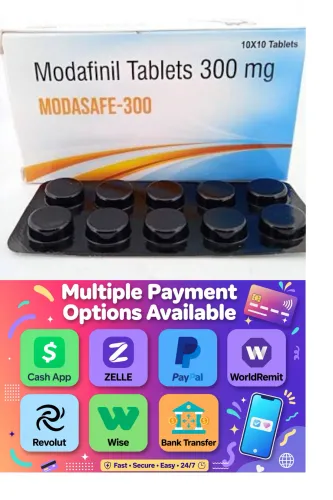
Modafinil Tablets Exporter | Vision Pharma – Trusted Global Pharmaceutical Supplier
High-Demand Abroad Countries & Cities We Can Serve:
United States: New York, Los Angeles, Chicago, Houston, Miami, Dallas
United Kingdom: London, Birmingham, Manchester, Liverpool, Leeds, Glasgow
Canada: Toronto, Vancouver, Montreal, Calgary, Ottawa,
Australia: Sydney, Melbourne, Brisbane, Perth, Adelaide
UAE: Dubai, Abu Dhabi, Sharjah, Ajman
South Africa: Johannesburg, Cape Town, Durban, Pretoria, Port Elizabeth
Singapore: Singapore City
Connect With Vision Pharma
Vision Pharma Export
Medicine Exports
Global Steroid Pharma
ED Meds Exporter
Email: visionpharmaglobal@gmail.com
Contact No: +91 9326646654
Modafinil Tablets, Modafinil pharmaceutical information, Modafinil Tablets supplier, Modafinil medicine information, international pharmaceutical supplier, global pharmaceutical supply chain, prescription medicine supplier, pharmaceutical exporter, international medicine supply, pharmaceutical distribution services, global pharma company, pharmaceutical sourcing solutions.
Modafinil Tablets Exporter | Vision Pharma – Trusted Global Pharmaceutical Supplier
High-Demand Abroad Countries & Cities We Can Serve:
United States: New York, Los Angeles, Chicago, Houston, Miami, Dallas
United Kingdom: London, Birmingham, Manchester, Liverpool, Leeds, Glasgow
Canada: Toronto, Vancouver, Montreal, Calgary, Ottawa,
Australia: Sydney, Melbourne, Brisbane, Perth, Adelaide
UAE: Dubai, Abu Dhabi, Sharjah, Ajman
South Africa: Johannesburg, Cape Town, Durban, Pretoria, Port Elizabeth
Singapore: Singapore City
Connect With Vision Pharma
Vision Pharma Export
Medicine Exports
Global Steroid Pharma
ED Meds Exporter
Email: visionpharmaglobal@gmail.com
Contact No: +91 9326646654
Modafinil Tablets, Modafinil pharmaceutical information, Modafinil Tablets supplier, Modafinil medicine information, international pharmaceutical supplier, global pharmaceutical supply chain, prescription medicine supplier, pharmaceutical exporter, international medicine supply, pharmaceutical distribution services, global pharma company, pharmaceutical sourcing solutions.
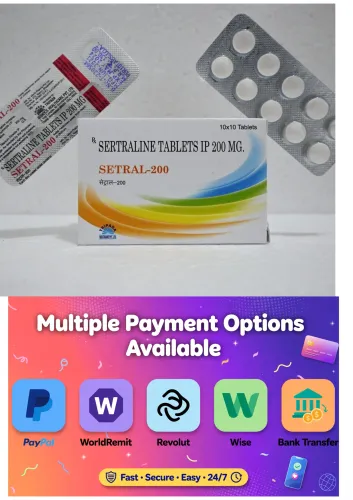
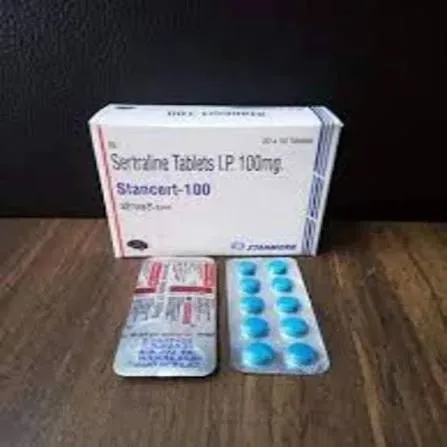
Sertraline Tablets — Vision Pharma | Reliable Dropshipping & Easy Payment Options
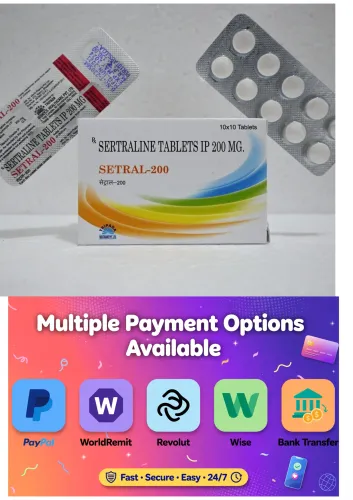
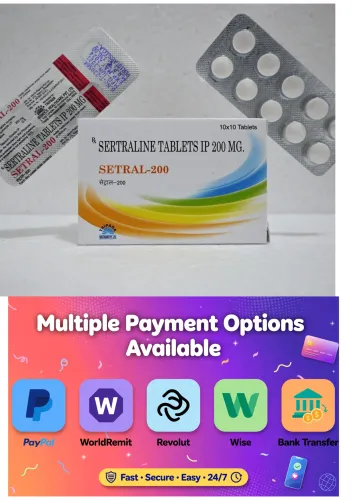
BUY SERTRALINE 200 MG TABLETS IN LONDON,MANCHESTER, BIRHINGHAM,UK WITH PAYPAL OPTIONS
BUY SERTRALINE 200 MG TABLETS IN New York, Los Angeles, Miami, USA WITH PAYPAL OPTIONS
Why Choose Vision Pharma:
Leading dropshipper and exporter of Sertraline Tablets with fast global shipping.
Convenient payment options: Bank transfer (T/T), Western Union, PayPal, and negotiable escrow for bulk orders.
Export-ready documentation: Commercial invoice, packing list, COA, and MSDS upon request.
Dedicated customer support: Email visionpharmaglobal@gmail.com | Call/WhatsApp +91 9326646654
Trusted partner for pharmacies, wholesalers, and e-pharmacies.
Sertraline tablets for export
Buy Sertraline online wholesale
Sertraline dropshipping supplier
Sertraline tablets international shipping
Cheap Sertraline tablets bulk
Generic Sertraline 50 mg 100 mg
Prescription antidepressant supplier
Top Demand Countries & Cities:
United States — New York, Los Angeles, Miami
United Kingdom — London, Manchester, Birmingham
United Arab Emirates — Dubai, Abu Dhabi
Nigeria — Lagos, Abuja
Philippines — Manila, Cebu
South Africa — Johannesburg, Cape Town
Brazil — São Paulo, Rio de Janeiro
Germany — Berlin, Frankfurt
Buy Sertraline Tablets Wholesale | Vision Pharma Dropshipping & Intl Shipping
Order Sertraline Tablets (50 mg/100 mg) from Vision Pharma — leading dropshipper offering worldwide shipping, secure payment options, export documentation, and competitive wholesale prices. Email visionpharmaglobal@gmail.com or call +91 9326646654.
Product Highlights (bullets for listing):
High-quality Sertraline tablets (50 mg, 100 mg)
Fast dropshipping to major global markets
Multiple payment methods including PayPal, T/T
Export documentation and batch testing available
Competitive wholesale pricing and bulk discounts
Official company: https://www.visionpharmaexport.com/
Partner supplier: https://www.medicineexports.com/
Additional sourcing: https://www.globalsteroidpharma.com
ED products exporter: https://www.edmedsexpoter.com
Frequently Asked Questions (FAQ)
Q: Do you ship Sertraline internationally?
A: Yes. Vision Pharma ships Sertraline Tablets to multiple countries worldwide with full export documentation. Shipping options and delivery times vary by destination.
Q: What payment methods do you accept?
A: We accept Bank Transfer (T/T), PayPal, Western Union, and negotiable escrow services for larger orders. Contact us to discuss payment security and terms.
Q: Can you provide a certificate of analysis (COA)?
A: Yes. COA, batch numbers, and other quality documents are available upon request for all export orders.
Q: Do you require a prescription?
A: Yes. Sertraline is prescription-only. We require a valid prescription and compliance with the importing country’s regulations.
Q: What are your minimum order quantities (MOQ)?
A: MOQ depends on dosage and packaging. Contact sales at visionpharmaglobal@gmail.com or +91 9326646654 for custom quotes.
Q: How long does shipping take?
A: Typical delivery ranges from 5–21 business days depending on destination and chosen shipping method. Faster courier options available at additional cost.
Q: Are there discounts for bulk buyers or resellers?
A: Yes. We offer tiered pricing and special terms for bulk orders and long-term partners. Request a quote for volume pricing.
How to Order:
Email visionpharmaglobal@gmail.com or call/WhatsApp +91 9326646654 with product, dosage, quantity, and destination.
Provide required documents (prescription, business license if applicable).
Receive proforma invoice and payment instructions.
Complete payment, confirm shipment, and receive tracking details.
Contact:
Vision Pharma — Reliable pharmaceutical dropshipping and export services.
Website: https://www.visionpharmaexport.com/
Email: visionpharmaglobal@gmail.com
Phone/WhatsApp: +91 9326646654
Sertraline Tablets — Vision Pharma | Reliable Dropshipping & Easy Payment Options
Why Choose Vision Pharma:
Leading dropshipper and exporter of Sertraline Tablets with fast global shipping.
Convenient payment options: Bank transfer (T/T), Western Union, PayPal, and negotiable escrow for bulk orders.
Export-ready documentation: Commercial invoice, packing list, COA, and MSDS upon request.
Dedicated customer support: Email visionpharmaglobal@gmail.com | Call/WhatsApp +91 9326646654
Trusted partner for pharmacies, wholesalers, and e-pharmacies.
Sertraline tablets for export
Buy Sertraline online wholesale
Sertraline dropshipping supplier
Sertraline tablets international shipping
Cheap Sertraline tablets bulk
Generic Sertraline 50 mg 100 mg
Prescription antidepressant supplier
Top Demand Countries & Cities:
United States — New York, Los Angeles, Miami
United Kingdom — London, Manchester, Birmingham
United Arab Emirates — Dubai, Abu Dhabi
Nigeria — Lagos, Abuja
Philippines — Manila, Cebu
South Africa — Johannesburg, Cape Town
Brazil — São Paulo, Rio de Janeiro
Germany — Berlin, Frankfurt
Buy Sertraline Tablets Wholesale | Vision Pharma Dropshipping & Intl Shipping
Order Sertraline Tablets (50 mg/100 mg) from Vision Pharma — leading dropshipper offering worldwide shipping, secure payment options, export documentation, and competitive wholesale prices. Email visionpharmaglobal@gmail.com or call +91 9326646654.
Product Highlights (bullets for listing):
High-quality Sertraline tablets (50 mg, 100 mg)
Fast dropshipping to major global markets
Multiple payment methods including PayPal, T/T
Export documentation and batch testing available
Competitive wholesale pricing and bulk discounts
Official company: https://www.visionpharmaexport.com/
Partner supplier: https://www.medicineexports.com/
Additional sourcing: https://www.globalsteroidpharma.com
ED products exporter: https://www.edmedsexpoter.com
Frequently Asked Questions (FAQ)
Q: Do you ship Sertraline internationally?
A: Yes. Vision Pharma ships Sertraline Tablets to multiple countries worldwide with full export documentation. Shipping options and delivery times vary by destination.
Q: What payment methods do you accept?
A: We accept Bank Transfer (T/T), PayPal, Western Union, and negotiable escrow services for larger orders. Contact us to discuss payment security and terms.
Q: Can you provide a certificate of analysis (COA)?
A: Yes. COA, batch numbers, and other quality documents are available upon request for all export orders.
Q: Do you require a prescription?
A: Yes. Sertraline is prescription-only. We require a valid prescription and compliance with the importing country’s regulations.
Q: What are your minimum order quantities (MOQ)?
A: MOQ depends on dosage and packaging. Contact sales at visionpharmaglobal@gmail.com or +91 9326646654 for custom quotes.
Q: How long does shipping take?
A: Typical delivery ranges from 5–21 business days depending on destination and chosen shipping method. Faster courier options available at additional cost.
Q: Are there discounts for bulk buyers or resellers?
A: Yes. We offer tiered pricing and special terms for bulk orders and long-term partners. Request a quote for volume pricing.
How to Order:
Email visionpharmaglobal@gmail.com or call/WhatsApp +91 9326646654 with product, dosage, quantity, and destination.
Provide required documents (prescription, business license if applicable).
Receive proforma invoice and payment instructions.
Complete payment, confirm shipment, and receive tracking details.
Contact:
Vision Pharma — Reliable pharmaceutical dropshipping and export services.
Website: https://www.visionpharmaexport.com/
Email: visionpharmaglobal@gmail.com
Phone/WhatsApp: +91 9326646654
Sertraline Tablets — Vision Pharma | Reliable Dropshipping & Easy Payment Options
Why Choose Vision Pharma:
Leading dropshipper and exporter of Sertraline Tablets with fast global shipping.
Convenient payment options: Bank transfer (T/T), Western Union, PayPal, and negotiable escrow for bulk orders.
Export-ready documentation: Commercial invoice, packing list, COA, and MSDS upon request.
Dedicated customer support: Email visionpharmaglobal@gmail.com | Call/WhatsApp +91 9326646654
Trusted partner for pharmacies, wholesalers, and e-pharmacies.
Sertraline tablets for export
Buy Sertraline online wholesale
Sertraline dropshipping supplier
Sertraline tablets international shipping
Cheap Sertraline tablets bulk
Generic Sertraline 50 mg 100 mg
Prescription antidepressant supplier
Top Demand Countries & Cities:
United States — New York, Los Angeles, Miami
United Kingdom — London, Manchester, Birmingham
United Arab Emirates — Dubai, Abu Dhabi
Nigeria — Lagos, Abuja
Philippines — Manila, Cebu
South Africa — Johannesburg, Cape Town
Brazil — São Paulo, Rio de Janeiro
Germany — Berlin, Frankfurt
Buy Sertraline Tablets Wholesale | Vision Pharma Dropshipping & Intl Shipping
Order Sertraline Tablets (50 mg/100 mg) from Vision Pharma — leading dropshipper offering worldwide shipping, secure payment options, export documentation, and competitive wholesale prices. Email visionpharmaglobal@gmail.com or call +91 9326646654.
Product Highlights (bullets for listing):
High-quality Sertraline tablets (50 mg, 100 mg)
Fast dropshipping to major global markets
Multiple payment methods including PayPal, T/T
Export documentation and batch testing available
Competitive wholesale pricing and bulk discounts
Official company: https://www.visionpharmaexport.com/
Partner supplier: https://www.medicineexports.com/
Additional sourcing: https://www.globalsteroidpharma.com
ED products exporter: https://www.edmedsexpoter.com
Frequently Asked Questions (FAQ)
Q: Do you ship Sertraline internationally?
A: Yes. Vision Pharma ships Sertraline Tablets to multiple countries worldwide with full export documentation. Shipping options and delivery times vary by destination.
Q: What payment methods do you accept?
A: We accept Bank Transfer (T/T), PayPal, Western Union, and negotiable escrow services for larger orders. Contact us to discuss payment security and terms.
Q: Can you provide a certificate of analysis (COA)?
A: Yes. COA, batch numbers, and other quality documents are available upon request for all export orders.
Q: Do you require a prescription?
A: Yes. Sertraline is prescription-only. We require a valid prescription and compliance with the importing country’s regulations.
Q: What are your minimum order quantities (MOQ)?
A: MOQ depends on dosage and packaging. Contact sales at visionpharmaglobal@gmail.com or +91 9326646654 for custom quotes.
Q: How long does shipping take?
A: Typical delivery ranges from 5–21 business days depending on destination and chosen shipping method. Faster courier options available at additional cost.
Q: Are there discounts for bulk buyers or resellers?
A: Yes. We offer tiered pricing and special terms for bulk orders and long-term partners. Request a quote for volume pricing.
How to Order:
Email visionpharmaglobal@gmail.com or call/WhatsApp +91 9326646654 with product, dosage, quantity, and destination.
Provide required documents (prescription, business license if applicable).
Receive proforma invoice and payment instructions.
Complete payment, confirm shipment, and receive tracking details.
Contact:
Vision Pharma — Reliable pharmaceutical dropshipping and export services.
Website: https://www.visionpharmaexport.com/
Email: visionpharmaglobal@gmail.com
Phone/WhatsApp: +91 9326646654
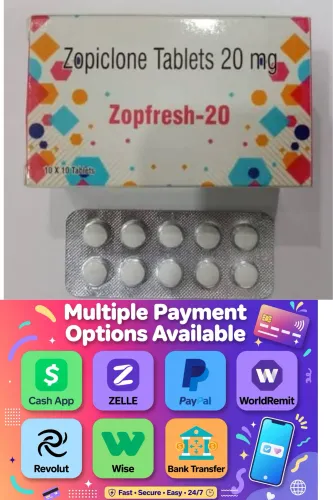
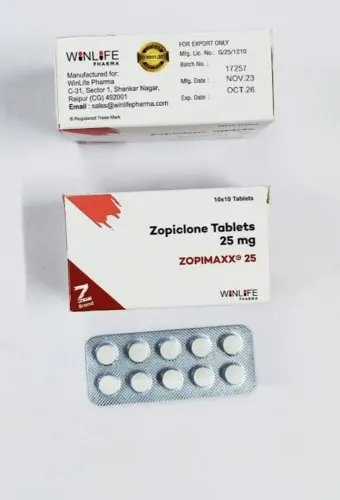
Buy Zopiclone Tablets Online from Vision Pharma – Trusted India Dropshipper with Global Shipping
Vision Pharma is a leading Indian pharmaceutical dropshipper offering Zopiclone tablets (commonly branded as Zopigard 7.5 mg) to global customers through fast, reliable delivery and secure payment options. We specialize in supplying generic Zopiclone for short‑term treatment of insomnia, shipped directly to your customers in the USA, UK, Australia, Canada, UAE, Saudi Arabia, Singapore, Malaysia, and worldwide.
What Are Zopiclone Tablets?
Zopiclone is a non‑benzodiazepine hypnotic used to treat severe insomnia in adults by reducing sleep onset time and night awakenings. Vision Pharma supplies Zopiclone 7.5 mg tablets (Zopigard‑type) that help calm brain activity for easier sleep, typically taken immediately before bedtime for short‑term use (2 days to 4 weeks) to minimize dependency risk.
Why Choose Vision Pharma for Zopiclone?
Vision Pharma is a trusted India‑based dropshipper for Zopiclone tablets, ideal for pharmacies, wholesalers, and online medicine sellers. We ship directly to your customers with discreet packaging and on‑time delivery, supporting bulk orders and private‑label collaboration
Convenient Payment Options:
Secure online payments via major gateways
Bank transfer / wire transfer support for international buyers
Flexible terms for repeat and wholesale clients
Major Markets & Cities We Serve
Vision Pharma delivers Zopiclone tablets and other pharmaceuticals to high‑demand countries including the USA, UK, Australia, Canada, UAE, Saudi Arabia, Singapore, and Malaysia, along with other regions across Europe and Southeast Asia.
USA: New York, Los Angeles, Chicago, Houston, Phoenix
UK: London, Birmingham, Manchester, Glasgow, Liverpool
UAE: Dubai, Abu Dhabi, Sharjah
Australia: Sydney, Melbourne, Brisbane, Perth
Europe & Asia: Singapore, Kuala Lumpur, Riyadh, Jeddah
SEO‑Optimized Keywords for Zopiclone Tablets
Buy Zopiclone tablets online
Zopiclone 7.5 mg India dropshipper
Generic Zopiclone tablets export
Insomnia medicine Zopiclone
Zopiclone tablets for sale
Zopiclone dropshipping from India
Export Zopiclone to USA, UK, UAE
Vision Pharma Zopiclone tablets
Backlinking & Contact Information
To strengthen your SEO and gain authority, you can link to Vision Pharma’s official sites:
Vision Pharma Export – https://www.visionpharmaexport.com
Vision Pharma Global – https://www.visionpharmaglobal.co.in
Contact Vision Pharma:
Email: visionpharmaglobal@gmail.com
Phone / WhatsApp: +91 9326646654
For worldwide customers and resellers:
“Order Zopiclone tablets in bulk from Vision Pharma, India’s leading dropshipper, and enjoy fast delivery to the USA, UK, Australia, UAE, Saudi Arabia, Singapore, and more.”
Buy Zopiclone 7.5 mg Tablets Online – Vision Pharma Export | India Dropshipper
Vision Pharma supplies Zopiclone 7.5 mg tablets for insomnia with dropshipping to USA, UK, UAE & worldwide. Contact +91 9326646654 for bulk orders.
Buy Zopiclone Tablets Online from Vision Pharma – Trusted India Dropshipper with Global Shipping
Vision Pharma is a leading Indian pharmaceutical dropshipper offering Zopiclone tablets (commonly branded as Zopigard 7.5 mg) to global customers through fast, reliable delivery and secure payment options. We specialize in supplying generic Zopiclone for short‑term treatment of insomnia, shipped directly to your customers in the USA, UK, Australia, Canada, UAE, Saudi Arabia, Singapore, Malaysia, and worldwide.
What Are Zopiclone Tablets?
Zopiclone is a non‑benzodiazepine hypnotic used to treat severe insomnia in adults by reducing sleep onset time and night awakenings. Vision Pharma supplies Zopiclone 7.5 mg tablets (Zopigard‑type) that help calm brain activity for easier sleep, typically taken immediately before bedtime for short‑term use (2 days to 4 weeks) to minimize dependency risk.
Why Choose Vision Pharma for Zopiclone?
Vision Pharma is a trusted India‑based dropshipper for Zopiclone tablets, ideal for pharmacies, wholesalers, and online medicine sellers. We ship directly to your customers with discreet packaging and on‑time delivery, supporting bulk orders and private‑label collaboration
Convenient Payment Options:
Secure online payments via major gateways
Bank transfer / wire transfer support for international buyers
Flexible terms for repeat and wholesale clients
Major Markets & Cities We Serve
Vision Pharma delivers Zopiclone tablets and other pharmaceuticals to high‑demand countries including the USA, UK, Australia, Canada, UAE, Saudi Arabia, Singapore, and Malaysia, along with other regions across Europe and Southeast Asia.
USA: New York, Los Angeles, Chicago, Houston, Phoenix
UK: London, Birmingham, Manchester, Glasgow, Liverpool
UAE: Dubai, Abu Dhabi, Sharjah
Australia: Sydney, Melbourne, Brisbane, Perth
Europe & Asia: Singapore, Kuala Lumpur, Riyadh, Jeddah
SEO‑Optimized Keywords for Zopiclone Tablets
Buy Zopiclone tablets online
Zopiclone 7.5 mg India dropshipper
Generic Zopiclone tablets export
Insomnia medicine Zopiclone
Zopiclone tablets for sale
Zopiclone dropshipping from India
Export Zopiclone to USA, UK, UAE
Vision Pharma Zopiclone tablets
Backlinking & Contact Information
To strengthen your SEO and gain authority, you can link to Vision Pharma’s official sites:
Vision Pharma Export – https://www.visionpharmaexport.com
Vision Pharma Global – https://www.visionpharmaglobal.co.in
Contact Vision Pharma:
Email: visionpharmaglobal@gmail.com
Phone / WhatsApp: +91 9326646654
For worldwide customers and resellers:
“Order Zopiclone tablets in bulk from Vision Pharma, India’s leading dropshipper, and enjoy fast delivery to the USA, UK, Australia, UAE, Saudi Arabia, Singapore, and more.”
Buy Zopiclone 7.5 mg Tablets Online – Vision Pharma Export | India Dropshipper
Vision Pharma supplies Zopiclone 7.5 mg tablets for insomnia with dropshipping to USA, UK, UAE & worldwide. Contact +91 9326646654 for bulk orders.
BUY Sertraline 100 mg Tablets online from VISION PHARMAand get fast delivery in USA, UK, AUSTRALIA, ,Singapore,North America , Europe , Southeast Asia Asia-Pacific Middle East & South Africa
Buy Sertraline 100 mg Tablets from India – Fast & Reliable Export & Dropshipping to USA, UK, Singapore, Thailand, Australia, Malaysia
Looking to buy Sertraline 100 mg Tablets in bulk or via dropshipping from India? VISION PHARMAis a trusted WHO‑GMP certified exporter and dropshipper of high‑quality
Sertraline 100 mg Tablets, delivering fast and securely to the USA, UK, Singapore, Thailand, Australia, and Malaysia
Whether you are a pharmacy, distributor, online store, or individual buyer, we offer competitive wholesale prices, fast dispatch, and door‑door delivery with full documentation and customs support
Why Buy Sertraline 100 mg Tablets from VISION PHARMA(India)?VISION PHARMAis a leading Indian pharmaceutical exporter and dropshipper specializing in CNS and nootropic medicines, including Sertraline 100 mg Tablets
We Offer Quality and Trust We export only WHO-GMP certified pharmaceutical products.
VISION PHARMAis a Trusted & Reliable Drop Shipper for ARMOGARD 150 (Armodafinil 150 mg ) tablets
VISION PHARMAOffice Video
https://youtu.be/GV_VTNLQRhQ?feature=shared
WEBSITE : visionpharmaexport.com
https://www.visionpharmaglobal.co.in/
Email ID : visionpharmaglobal@gmail.com
To Connect on WhatsApp
https://wa.link/63q0wp
My Digital Visiting Card:
https://mygrid.club/visionpharma
.Key advantages of sourcing Armodafinil from us:✅ WHO‑GMP certified manufacturing – High purity, consistent quality, and strict quality control ✅ Fast dispatch & global shipping – Regular shipments to USA, UK, Singapore, Thailand, Australia, Malaysia, and other countries ✅ Dropshipping & private label options – Ideal for online pharmacies, e‑commerce stores, and resellers ✅ Competitive wholesale pricing – Best rates for bulk orders with flexible MOQs ✅ Full export documentation – COA, COO, packing list, invoice, and regulatory support as needed Sertraline 100 mg Tablets – Product Details
Active Ingredient:Sertraline 100 mg Tablets Therapeutic Use:
Treatment of excessive daytime sleepiness due to narcolepsy, obstructive sleep apnea (OSA), and shift work sleep disorder Packaging: Blister strips, bottles, or custom packaging (private label available) Shelf Life: Typically 24–36 months when stored properly Armodafinil is a wakefulness‑promoting agent that helps improve alertness, focus, and cognitive performance, making it popular among professionals, students, and shift workers Buy Sertraline 100 mg Tablets online IndiaSertraline 100 mg Tablets exporter India Sertraline 100 mg Tablets dropshipper IndiaSertraline 100 mg Tablets wholesale priceSertraline 100 mg Tablets for sale USASertraline 100 mg Tablets UK fast deliverySertraline 100 mg Tablets Singapore supplierSertraline 100 mg Tablets Thailand distributorSertraline 100 mg Tablets Australia pharmacySertraline 100 mg Tablets Malaysia onlineSertraline 100 mg Tablets bulk order IndiaSertraline 100 mg Tablets private label IndiaSertraline 100 mg Tablets WHO‑GMP certifiedSertraline 100 mg Tablets fast shipping worldwideUse these keywords naturally in page titles, meta descriptions, headings, and product descriptions to improve search visibility
Fast Delivery of Sertraline 100 mg Tablets to Key MarketsVISION PHARMAensures fast and reliable delivery of Sertraline 100 mg Tablets to:🇺🇸 USA (United States)Fast shipping to major cities: New York, Los Angeles, Chicago, Houston, Miami, Atlanta, Dallas, San Francisco, Washington DC, Denver, etc.
Door‑to‑door courier or air freight options with tracking 🇬🇧 UK (United Kingdom)Regular shipments to London, Manchester, Birmingham, Glasgow, Liverpool, Bristol, Sheffield, Leeds, etc. Compliant packaging and documentation for UK customs 🇸🇬 SingaporeFast air courier to Central Business District (CBD), Marina Bay, Tanjong Pagar, Orchard Road, etc. Suitable for pharmacies, clinics, and online sellers 🇹🇭 ThailandReliable delivery to Bangkok, Chiang Mai, Phuket, Pattaya, and other cities Support with import requirements and documentation 🇦🇺 AustraliaShipping to Sydney, Melbourne, Brisbane, Perth, Adelaide, Gold Coast, Canberra, Hobart, Newcastle, etc. Fast dispatch and tracking for Australian buyers 🇲🇾 MalaysiaDelivery to Kuala Lumpur, Penang, Johor Bahru, Kuching, Kota Kinabalu, and other major areas
Suitable for distributors and online stores
How to Order Sertraline 100 mg Tablets from RadhaKrishna MedMart
Contact UsVisit WEBSITE : visionpharmaexport.com Email: visionpharmaglobal@gmail.com
Share Your RequirementsSpecify:Sertraline 100 mg Tablets Quantity (bulk order or dropship)Destination country (USA, UK, Singapore, Thailand, Australia, Malaysia, etc.)Packaging & labeling needs (private label, blister, bottle, etc.)
Get Quote & Confirm OrderWe will send a detailed quotation with price, MOQ, shipping options, and estimated deli
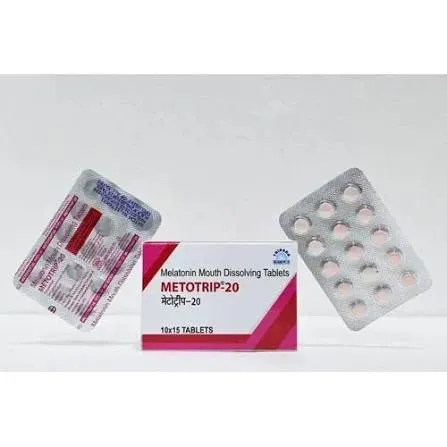
BUY Melatonin 20 mg tablets online from VISION PHARMAand get fast delivery in USA, UK, AUSTRALIA, ,Singapore,North America , Europe , Southeast Asia Asia-Pacific Middle East & South Africa
CATEGORY : ANTIDEPRESSANT MEDICINES
Buy Melatonin 20 mg tablets from India – Fast & Reliable Export & Dropshipping to USA, UK, Singapore, Thailand, Australia, Malaysia
Looking to buy Melatonin 20 mg tablets in bulk or via dropshipping from India? VISION PHARMAis a trusted WHO‑GMP certified exporter and dropshipper of high‑quality
Melatonin 20 mg tablets, delivering fast and securely to the USA, UK, Singapore, Thailand, Australia, and Malaysia
Whether you are a pharmacy, distributor, online store, or individual buyer, we offer competitive wholesale prices, fast dispatch, and door‑door delivery with full documentation and customs support
Why Buy Melatonin 20 mg tablets from VISION PHARMA(India)?VISION PHARMAis a leading Indian pharmaceutical exporter and dropshipper specializing in CNS and nootropic medicines, including Melatonin 20 mg tablets
We Offer Quality and Trust We export only WHO-GMP certified pharmaceutical products.
VISION PHARMAis a Trusted & Reliable Drop Shipper for ARMOGARD 150 (Armodafinil 150 mg ) tablets
VISION PHARMAOffice Video
https://youtu.be/GV_VTNLQRhQ?feature=shared
WEBSITE : visionpharmaexport.com
https://www.visionpharmaglobal.co.in/
Email ID : visionpharmaglobal@gmail.com
To Connect on WhatsApp
https://wa.link/63q0wp
My Digital Visiting Card:
https://mygrid.club/visionpharma
.Key advantages of sourcing Armodafinil from us:✅ WHO‑GMP certified manufacturing – High purity, consistent quality, and strict quality control ✅ Fast dispatch & global shipping – Regular shipments to USA, UK, Singapore, Thailand, Australia, Malaysia, and other countries ✅ Dropshipping & private label options – Ideal for online pharmacies, e‑commerce stores, and resellers ✅ Competitive wholesale pricing – Best rates for bulk orders with flexible MOQs ✅ Full export documentation – COA, COO, packing list, invoice, and regulatory support as needed Melatonin 20 mg tablets – Product Details
Active Ingredient:Melatonin 20 mg tablets Therapeutic Use:
Treatment of excessive daytime sleepiness due to narcolepsy, obstructive sleep apnea (OSA), and shift work sleep disorder Packaging: Blister strips, bottles, or custom packaging (private label available) Shelf Life: Typically 24–36 months when stored properly Armodafinil is a wakefulness‑promoting agent that helps improve alertness, focus, and cognitive performance, making it popular among professionals, students, and shift workers Buy Melatonin 20 mg tablets online IndiaMelatonin 20 mg tablets exporter India Melatonin 20 mg tablets dropshipper IndiaMelatonin 20 mg tablets wholesale priceMelatonin 20 mg tablets for sale USAMelatonin 20 mg tablets UK fast deliveryMelatonin 20 mg tablets Singapore supplierMelatonin 20 mg tablets Thailand distributorMelatonin 20 mg tablets Australia pharmacyMelatonin 20 mg tablets Malaysia onlineMelatonin 20 mg tablets bulk order IndiaMelatonin 20 mg tablets private label IndiaMelatonin 20 mg tablets WHO‑GMP certifiedMelatonin 20 mg tablets fast shipping worldwideUse these keywords naturally in page titles, meta descriptions, headings, and product descriptions to improve search visibility
Fast Delivery of Melatonin 20 mg tablets to Key MarketsVISION PHARMAensures fast and reliable delivery of Melatonin 20 mg tablets to:🇺🇸 USA (United States)Fast shipping to major cities: New York, Los Angeles, Chicago, Houston, Miami, Atlanta, Dallas, San Francisco, Washington DC, Denver, etc.
Door‑to‑door courier or air freight options with tracking 🇬🇧 UK (United Kingdom)Regular shipments to London, Manchester, Birmingham, Glasgow, Liverpool, Bristol, Sheffield, Leeds, etc. Compliant packaging and documentation for UK customs 🇸🇬 SingaporeFast air courier to Central Business District (CBD), Marina Bay, Tanjong Pagar, Orchard Road, etc. Suitable for pharmacies, clinics, and online sellers 🇹🇭 ThailandReliable delivery to Bangkok, Chiang Mai, Phuket, Pattaya, and other cities Support with import requirements and documentation 🇦🇺 AustraliaShipping to Sydney, Melbourne, Brisbane, Perth, Adelaide, Gold Coast, Canberra, Hobart, Newcastle, etc. Fast dispatch and tracking for Australian buyers 🇲🇾 MalaysiaDelivery to Kuala Lumpur, Penang, Johor Bahru, Kuching, Kota Kinabalu, and other major areas
Suitable for distributors and online stores
How to Order Melatonin 20 mg tablets from RadhaKrishna MedMart
Contact UsVisit WEBSITE : visionpharmaexport.com Email: visionpharmaglobal@gmail.com
Share Your RequirementsSpecify:Melatonin 20 mg tablets Quantity (bulk order or dropship)Destination country (USA, UK, Singapore, Thailand, Australia, Malaysia, etc.)Packaging & labeling needs (private label, blister, bottle, etc.)
Get Quote & Confirm OrderWe will send a detailed quotation with price, MOQ, shipping options, and estimated delivery time
 Chat with us
 Chat with us