Thank you for writing to us. One of our executive will reach back to you through your submitted medium. In case there’s an urgency, feel free to connect over WhatsApp for faster response.
Prefer calling? Dial +9108042783904 (international callers) or 08042783904 (Indian callers).
Naproxen is a nonsteroidal anti-inflammatory drug (NSAID) used to relieve mild to moderate pain, inflammation, swelling, and fever. It is effective for treating arthritis (rheumatoid, osteoarthritis, gout), menstrual cramps, muscle strains, backaches, headaches, and toothaches. It works by blocking prostaglandin production.
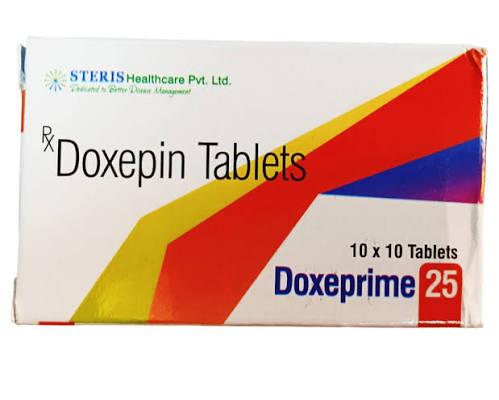
Doxepin capsules are primarily used to treat major depressive disorder, anxiety disorders, and insomnia. As a tricyclic antidepressant (TCA), it increases neurotransmitters like serotonin and norepinephrine to improve mood and act as a sedative to improve sleep. It is also used off-label for chronic itching and neuropathic pain.
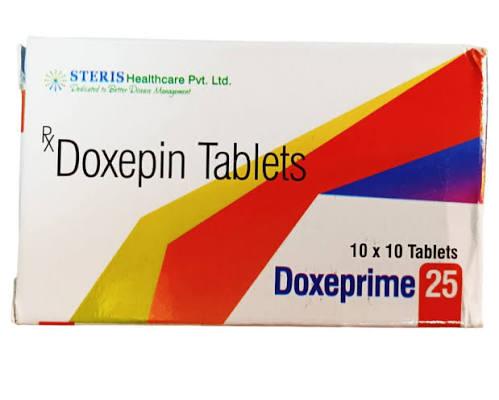
Doxepin capsules are primarily used to treat major depressive disorder, anxiety disorders, and insomnia. As a tricyclic antidepressant (TCA), it increases neurotransmitters like serotonin and norepinephrine to improve mood and act as a sedative to improve sleep. It is also used off-label for chronic itching and neuropathic pain.
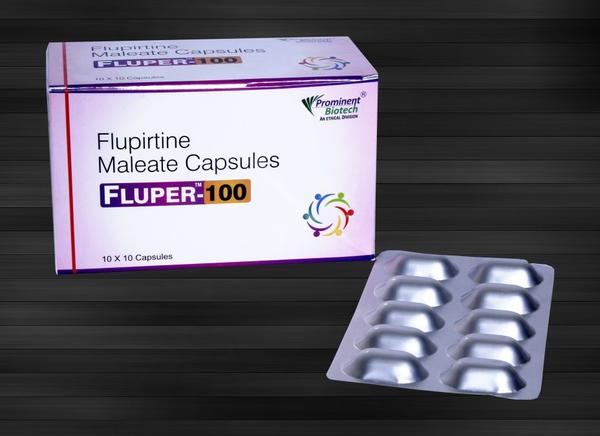
Flupirtine tablets are used for short-term management of acute to moderate pain, including musculoskeletal pain, chronic tension headaches, cancer-related pain, post-surgical pain, and menstrual cramps. It acts as a non-opioid analgesic and muscle relaxant, reducing pain signal transmission to the brain.
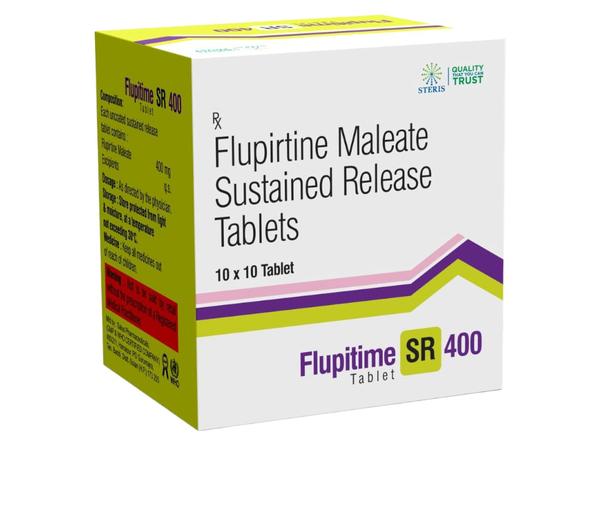
Flupirtine tablets are used for short-term management of acute to moderate pain, including musculoskeletal pain, chronic tension headaches, cancer-related pain, post-surgical pain, and menstrual cramps. It acts as a non-opioid analgesic and muscle relaxant, reducing pain signal transmission to the brain.
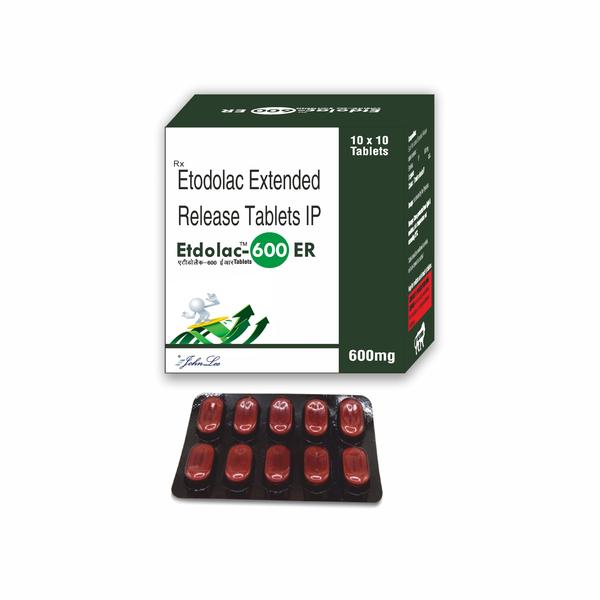
Etodolac is a nonsteroidal anti-inflammatory drug (NSAID) used to treat mild to moderate pain, and helps to relieve symptoms of arthritis (eg, osteoarthritis and rheumatoid arthritis), including inflammation, swelling, stiffness, and joint pain.
Each capsule contains 2mg of Polmacoxib in a stable oral dosage form. Therapeutic Use : Used primarily for osteoarthritis and inflammatory pain management, Polmacoxib provides long-term pain relief while minimizing gastrointestinal risks associated with traditional NSAIDs.
Gabapentin tablets are used mainly to treat nerve (neuropathic) pain and certain types of seizures (epilepsy), and sometimes for conditions like restless legs syndrome or fibromyalgia, depending on the formulation and local approval .Main Uses of Gabapentin TabletsNerve (Neuropathic) Pain
Gabapentin is commonly prescribed for chronic nerve pain, such as:Post-herpetic neuralgia (pain after shingles) Diabetic neuropathy (nerve pain from diabetes) Other types of neuropathic pain (e.g., after injury or surgery) Epilepsy / Seizures
It is used as an add-on (adjunct) treatment for:Partial (focal) seizures in adults and children (usually 12 years and older) It is not usually the first medicine for epilepsy, but helps control seizures when other drugs are not fully effective .Other Approved Uses (varies by country/formulation)Restless legs syndrome (RLS) – specifically the extended‑release form gabapentin enacarbil (e.g., Horizant) Fibromyalgia – sometimes used off‑label or in specific formulations Off‑label / Less Common Uses
In some cases, doctors may prescribe gabapentin for:Chronic pain conditions (e.g., back pain, sciatica) Anxiety disorders (off‑label, not approved everywhere) Insomnia or sleep problems related to nerve pain (due to its sedative effect)
Gabapentin tablets are used mainly to treat nerve (neuropathic) pain and certain types of seizures (epilepsy), and sometimes for conditions like restless legs syndrome or fibromyalgia, depending on the formulation and local approval .Main Uses of Gabapentin TabletsNerve (Neuropathic) Pain
Gabapentin is commonly prescribed for chronic nerve pain, such as:Post-herpetic neuralgia (pain after shingles) Diabetic neuropathy (nerve pain from diabetes) Other types of neuropathic pain (e.g., after injury or surgery) Epilepsy / Seizures
It is used as an add-on (adjunct) treatment for:Partial (focal) seizures in adults and children (usually 12 years and older) It is not usually the first medicine for epilepsy, but helps control seizures when other drugs are not fully effective .Other Approved Uses (varies by country/formulation)Restless legs syndrome (RLS) – specifically the extended‑release form gabapentin enacarbil (e.g., Horizant) Fibromyalgia – sometimes used off‑label or in specific formulations Off‑label / Less Common Uses
In some cases, doctors may prescribe gabapentin for:Chronic pain conditions (e.g., back pain, sciatica) Anxiety disorders (off‑label, not approved everywhere) Insomnia or sleep problems related to nerve pain (due to its sedative effect)
Gabapentin tablets are used mainly to treat nerve (neuropathic) pain and certain types of seizures (epilepsy), and sometimes for conditions like restless legs syndrome or fibromyalgia, depending on the formulation and local approval .Main Uses of Gabapentin TabletsNerve (Neuropathic) Pain
Gabapentin is commonly prescribed for chronic nerve pain, such as:Post-herpetic neuralgia (pain after shingles) Diabetic neuropathy (nerve pain from diabetes) Other types of neuropathic pain (e.g., after injury or surgery) Epilepsy / Seizures
It is used as an add-on (adjunct) treatment for:Partial (focal) seizures in adults and children (usually 12 years and older) It is not usually the first medicine for epilepsy, but helps control seizures when other drugs are not fully effective .Other Approved Uses (varies by country/formulation)Restless legs syndrome (RLS) – specifically the extended‑release form gabapentin enacarbil (e.g., Horizant) Fibromyalgia – sometimes used off‑label or in specific formulations Off‑label / Less Common Uses
In some cases, doctors may prescribe gabapentin for:Chronic pain conditions (e.g., back pain, sciatica) Anxiety disorders (off‑label, not approved everywhere) Insomnia or sleep problems related to nerve pain (due to its sedative effect)
Gabapentin tablets are used mainly to treat nerve (neuropathic) pain and certain types of seizures (epilepsy), and sometimes for conditions like restless legs syndrome or fibromyalgia, depending on the formulation and local approval .Main Uses of Gabapentin TabletsNerve (Neuropathic) Pain
Gabapentin is commonly prescribed for chronic nerve pain, such as:Post-herpetic neuralgia (pain after shingles) Diabetic neuropathy (nerve pain from diabetes) Other types of neuropathic pain (e.g., after injury or surgery) Epilepsy / Seizures
It is used as an add-on (adjunct) treatment for:Partial (focal) seizures in adults and children (usually 12 years and older) It is not usually the first medicine for epilepsy, but helps control seizures when other drugs are not fully effective .Other Approved Uses (varies by country/formulation)Restless legs syndrome (RLS) – specifically the extended‑release form gabapentin enacarbil (e.g., Horizant) Fibromyalgia – sometimes used off‑label or in specific formulations Off‑label / Less Common Uses
In some cases, doctors may prescribe gabapentin for:Chronic pain conditions (e.g., back pain, sciatica) Anxiety disorders (off‑label, not approved everywhere) Insomnia or sleep problems related to nerve pain (due to its sedative effect)
Gabapentin tablets are used mainly to treat nerve (neuropathic) pain and certain types of seizures (epilepsy), and sometimes for conditions like restless legs syndrome or fibromyalgia, depending on the formulation and local approval .Main Uses of Gabapentin TabletsNerve (Neuropathic) Pain
Gabapentin is commonly prescribed for chronic nerve pain, such as:Post-herpetic neuralgia (pain after shingles) Diabetic neuropathy (nerve pain from diabetes) Other types of neuropathic pain (e.g., after injury or surgery) Epilepsy / Seizures
It is used as an add-on (adjunct) treatment for:Partial (focal) seizures in adults and children (usually 12 years and older) It is not usually the first medicine for epilepsy, but helps control seizures when other drugs are not fully effective .Other Approved Uses (varies by country/formulation)Restless legs syndrome (RLS) – specifically the extended‑release form gabapentin enacarbil (e.g., Horizant) Fibromyalgia – sometimes used off‑label or in specific formulations Off‑label / Less Common Uses
In some cases, doctors may prescribe gabapentin for:Chronic pain conditions (e.g., back pain, sciatica) Anxiety disorders (off‑label, not approved everywhere) Insomnia or sleep problems related to nerve pain (due to its sedative effect)